
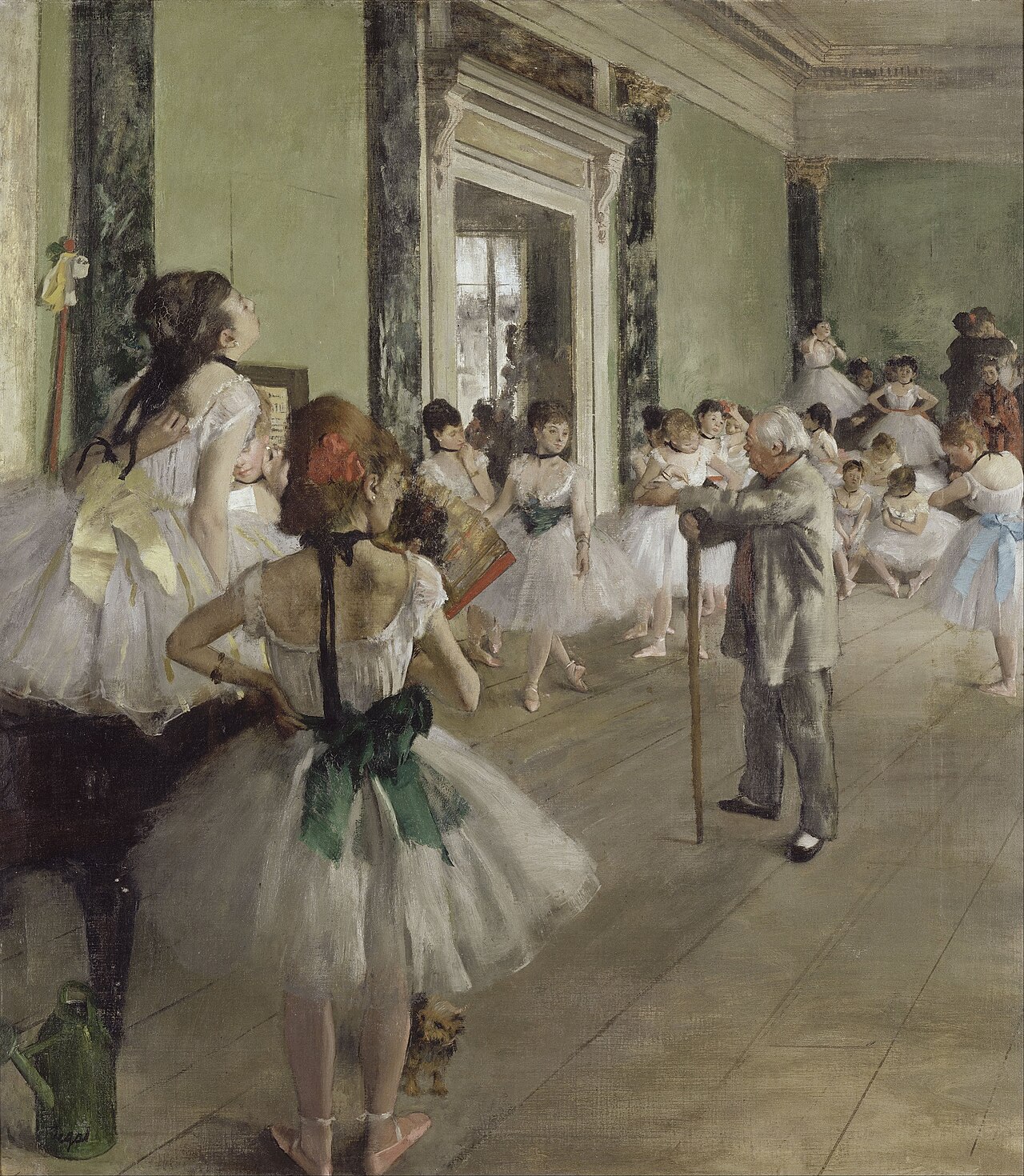

‘What if the primary work of education was the transforming of our imagination rather than the saturation of our intellect? And what if this had as much to do with our bodies as with our minds? What if education wasn’t first and foremost about what we know, but about what we love?’
— James KA Smith, Desiring the Kingdom
‘Well, in the broadest possible sense, theological education is learning more about the world that faith creates, or the world that faith trains you to inhabit…. It’s not about a set of issues or problems, it’s about a landscape you move into—the new creation, if you like. You inhabit this new set of relationships, this new set of perspectives. You see differently, you sense differently, you relate differently… A theologically-educated layperson is somebody whose capacity for praise and wonder is filled out, not just the capacity to answer pub questions.’
— Rowan Williams, ‘Theological Education Is for Everyone’ (Interview)
What is the role of the arts in theological education today? Just as stained glass windows once shaped and taught a less literate laity, what artforms are of theological importance to our own contemporary ‘illiteracies’?
For our upcoming Candlemas 2027 series (Jan–May 2027), we’re focusing on these (and similar) questions about education and the arts, broadly speaking. Together, we’re asking: How do the arts teach us, as Rowan Williams says, ‘more about the world that faith creates, or the world faith trains [us] to inhabit’? What pedagogies and forms of education—be it in the university, the home, or pews—are of particular relevance in our current cultural moment? And of chief interest to Transpositions, what is the role or value of beauty, art, wonder, and the imagination in various forms and theories of education?
Submissions should keep our core interests in mind and reflect the interdisciplinarity of our journal’s ethos. Possible topics include:
- Representations of education in film, visual arts, literature, media, and culture
- Philosophies of theological education and the role of the imagination and the arts
- Catechesis or ecclesial education and the arts
- Church architecture and what it ‘teaches’
- Attention, devotion, wonder, and desire as educational (broadly speaking) and formative
- The arts and the role of unknowing in theological education
- And more!
Submit your work to [email protected] by Jan 5, 2027 for consideration in this series. We will begin to publish work for this series at the end of January 2027, which marks the beginning of the Candlemas Term here at the University of St Andrews.
